
To any modern business owner, the word “brand” is no secret, and a strong brand identity is no longer something ‘only big companies need.’ With competition rising across every sector, your brand identity is one of the few things that can truly set you apart.
What Exactly Is a Brand Identity?
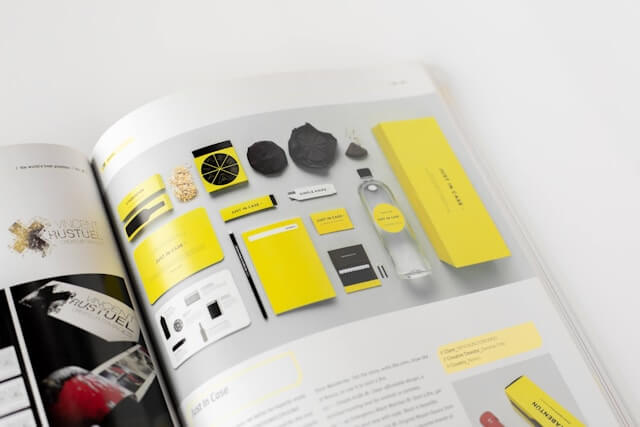
Most people think branding is just a logo, but that’s only the surface.
A real brand identity includes:
- Your logo and colour palette
- Typography (your signature fonts)
- Website design
- Tone of voice (how you communicate)
- Values and purpose
- Customer experience
- Visual style (social media colours, layout, patterns)
Let’s call it the personality of your business and how customers feel when they interact with you.
Why Every Business in Uganda Needs a Strong Brand Identity
1. It Builds Trust and Credibility
Ugandan consumers today are more aware, more digital, and more selective. People don’t want to deal with businesses that look inconsistent, unprofessional, or confusing.
A strong and consistent brand identity makes you look trustworthy. And trust leads to sales.
2. It Helps You Stand Out in a Crowded Market
Let’s be honest, almost every niche in Uganda has heavy competition.
- Restaurants
- Boutiques
- Tech companies
- Real estate agents
- Cosmetics sellers
- Freelancers
- Online shops
The difference between being remembered and being ignored is often just branding. I mean, there are many bedding stores, and yet still, when one hears Mirembe beddings, it sounds more legitimate, more premium, and more trustworthy because she built her brand.
Good branding helps you:
- Become instantly recognizable
- Communicate your unique value
- Position yourself above competitors
3. It Makes Your Marketing More Effective
When your brand identity is clear, you don’t struggle with:
- Choosing what colours to post on social media
- Switching fonts every week
- Inconsistent messaging
- Confusing ad designs
A strong brand identity simplifies marketing and makes your content more impactful, simply because you have already established yourself. Think of MTN, they have established their brand so well that their adverts are unmistakable.
4. It Attracts Better Customers (Who Pay More)
Think of popular Ugandan brands that charge premium prices; most of them invested heavily in branding.
Customers are willing to pay more for businesses that look:
- Professional
- Organized
- High-quality
Good branding positions you as a premium option, even if your competition sells cheaper. In fact, when your brand is established, the cheaper your competition offers, the more they seem of lesser quality and standing.
5. It Helps You Build Long-Term Loyalty
Brand identity isn’t just for attracting customers; it’s for keeping them.
When people connect emotionally with your brand, they:
- Keep coming back
- Recommend you to others
- Follow you online
- Become loyal fans of your business
Loyal customers are your biggest marketing asset because they keep coming back, which in turn gives you recurring revenue.
How to Build a Strong Brand Identity in Uganda (2025 Guide)
1. Define Your Brand Purpose and Values
Ask yourself:
- Why does your business exist beyond making money?
- What difference are you trying to make?
- What values guide your decisions?
Having a clear purpose gives your brand direction and a meaning to capitalize on.
2. Know Your Target Audience
Your brand identity should be shaped around the people you want to attract.
Define:
- Their age
- Interests
- Pain points
- Income level
- What they value in a business
Understanding your audience helps you design branding that speaks directly to them. If my audience is teenagers, do I make them long-form articles or short-form TikTok videos and Instagram reels?
3. Choose Your Brand Colours and Typography
Colours communicate emotion.
For example:
- Blue → trust, professionalism
- Black → luxury, confidence
- Orange → creativity, energy
- Green → growth, health
Pick a colour palette and stick to it. This helps your customers associate you with the color, so that when they see it, your business is also close to their mind.
Typography also matters. Choose 2–3 fonts that match your brand personality.
4. Create a Professional Logo
Your logo is the face of your brand. It should be:
- Simple
- Memorable
- Scalable
- Relevant to your industry
Avoid overly complicated designs; simplicity always wins.
5. Build a Consistent Visual Style
Your brand should look the same everywhere:
- Social media
- Website
- Business cards
- Posters
- Packaging
- Signage
Consistency breeds recognition, and recognition builds trust.
6. Develop Your Brand Voice
How you speak matters just as much as how you look.
Decide if your tone is:
- Formal
- Friendly
- Inspiring
- Humorous
- Bold
- Youthful
Your communication style should remain consistent across all platforms.
7. Build a Professional Website
In 2025, your website is the heart of your brand. It boosts:
- Visibility
- Credibility
- Customer trust
- Online discoverability
A solid website should be:
- Mobile-friendly
- Fast-loading
- Well-designed
- Easy to navigate
And it should reflect your brand identity perfectly. With smartphones, chances are every one of your clients and customers will look for you online at one point, and a website is one of the sure-fire ways they can always land on you.
And if you are wondering what that would cost on your budget, check out How Much Does a Website Cost in Uganda? A Complete Guide for 2025, as we provide a detailed breakdown of the topic.
8. Maintain Consistency Everywhere
Brand identity is not a one-time project. It’s a long-term commitment.
Consistency is what turns a name into a brand.
Benefits of Investing in Branding (Especially in Uganda)
- Higher customer trust
- More referrals
- Increased online visibility
- Stronger marketing results
- Ability to charge premium prices
- Better customer retention
- Strong competitive advantage
Branding pays for itself many times over, as it is the foundation that determines how the world sees your business and how far it can grow.